


















What is Twixmas: The Complete Guide to the Best Week of the Year
The week between Christmas and New Year, typically from 26 December to 31 December, is often called Twixmas, a magical period when the usual rules of time and productivity seem to suspend themselves. The term comes from the Old English word "betwixt," meaning "between," combined with "Christmas." It's that peculiar pocket where weekdays lose meaning, alarms feel optional, and the world seems to pause before hurtling into the new year. For many, this represents the most glorious week of the entire festive season: a legitimate excuse to wear pyjamas all day, eat leftover turkey, and pretend that productivity doesn't exist. Whether spent at home or away, the period is increasingly a carefully guarded stretch that people plan around rather than stumble through accidentally.
What Exactly is Twixmas?
Twixmas is the period of relative calm and disconnection that sits between two major celebrations. It's not quite Christmas anymore, yet New Year hasn't arrived to demand resolutions and gym memberships. For roughly six days, the normal rhythm of life is suspended. Offices are quieter (or closed entirely), schools remain closed, and the general expectation is that you will consume leftovers, watch films, and exist in a state of pleasant limbo.
The beauty of Twixmas lies in its lawlessness. There are no specific traditions attached to it, no decorations required, no special meals mandated. It's yours to shape entirely. Some people use it for rest and recovery. Others use it for reflection and planning. Many simply use it as an extended excuse to do absolutely nothing whatsoever.
Why is it Called Twixmas?
"Twixmas" is a portmanteau combining two words: "betwixt" (an archaic English term meaning "between") and "Christmas." The word itself is unofficial—no dictionary yet recognises it as standard English—yet it has become increasingly common in UK vernacular, particularly over the past decade. Some credit travel companies with popularising the term in order to market holiday packages and short breaks during this period. Others suggest it emerged organically from British culture, where the need for a word to describe this peculiar week became so pressing that one was simply invented.
Regardless of its origins, Twixmas has stuck. Internet culture has embraced it, travel brands have marketed heavily around it, and it now features in countless articles about how to spend the festive season. It's one of those words that feels like it's always existed, even though it's genuinely new.


When is Twixmas?
Twixmas traditionally runs from 26 December (Boxing Day) to 31 December, though some extend it through the New Year's Day weekend. It's roughly six days of sanctioned idleness before the calendar flips and the new year's demands arrive. Some argue Twixmas begins on Christmas afternoon when the excitement starts to wear off, whilst others insist it truly begins once the Christmas leftovers are in the fridge and the decorations start looking less magical and more tired.
How is Twixmas Different Now?
Decades ago, Twixmas barely existed as a cultural phenomenon. Most people either worked through the period or simply stayed at home without marking it as anything special. The modern Twixmas is different: it's been identified, named, and elevated to the status of a planned period of time. Where previous generations treated Boxing Day to New Year's Eve as "that bit after Christmas," today's culture celebrates it as a distinct season worthy of intention and planning.
The rise of flexible working, remote work, and holiday time has made Twixmas more achievable. Where previous generations might have had only a few days off, many people now enjoy a full week (or more) of time away from work. This, combined with the rise of social media and wellness culture, has turned Twixmas into something worth celebrating intentionally.

How to Spend Twixmas: The Best Activities
The Restorative Week: Rest and Recovery
For many, this period is the perfect antidote to an intense Christmas. After weeks of shopping, decorating, cooking, and entertaining, the week between Christmas and New Year offers a legitimate excuse to stop and recover. A restorative approach might involve:
Rest and Sleep: One underrated activity is simply sleeping. After months of disrupted sleep, catching up on rest during this week feels revolutionary. A quiet hotel property with comfortable beds and no alarms is all that's needed.
Reading and Slow Living: This is the perfect time to finally start that book everyone recommended. Pair it with a quiet retreat, good coffee, and zero schedule pressure.
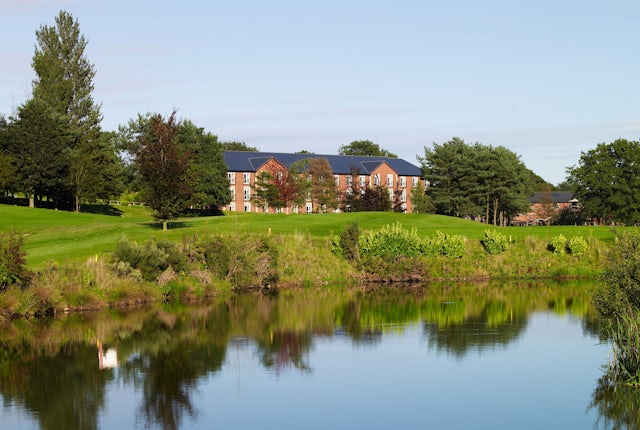
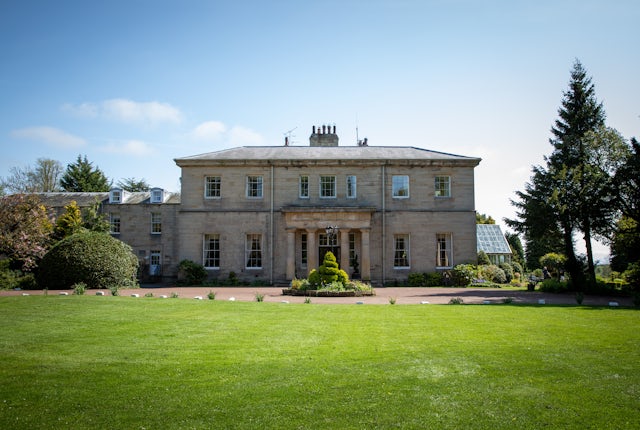
Walking and Nature: Without the Christmas rush, the week allows for slow walks through countryside or along riversides. Properties like Macdonald Houstoun House in West Lothian, set in 22 acres, or Macdonald Linden Hall in Northumberland, across 450 acres, provide perfect bases for exploration at a gentler pace.
Spa and Wellness: Some hotels offer spa facilities for those wanting treatments. Macdonald properties with spa facilities provide that option if desired, though many people simply enjoy the quiet countryside setting without additional activities.
The Social Twixmas: Friends, Family, and Extended Celebrations
For others, Twixmas is an extension of Christmas socialising. With family time in place and no work pressures, the week becomes a chance for proper gathering:
House Parties: Twixmas is perfect for hosting (or attending) a house party where the entertainment is low-key but the time together is genuine.
New Year's Eve Preparations: Use Twixmas to plan and prep for New Year's Eve—decorate, organise food, and build anticipation for the evening ahead.
Catching Up with Friends: January is busy, so Twixmas provides the perfect window to see friends before the new year chaos begins.
Film Marathons and Cosy Nights: With no schedule pressure, spending an entire day rewatching favourite films or binge-watching a series becomes a legitimate way to spend Twixmas.
The Productive Twixmas: Planning, Organising, and Preparation
For those who find rest difficult, Twixmas offers a productive alternative that still feels like downtime:
Year Review: Use Twixmas to review the year gone by—what worked, what didn't, what you'd like to carry forward.
New Year Planning: Without the pressure of starting immediately, Twixmas is perfect for thoughtful planning of new year goals, projects, and intentions.
Home Organising: After Christmas chaos, use Twixmas to gradually sort, tidy, and restore order—without the pressure of "New Year New You" intensity.
Hobby Projects: Finally learn that skill, start that creative project, or work on a hobby without work stress interrupting.
Admin Catch-Up: Sort through finances, organise paperwork, and handle the small admin tasks that accumulate during busy seasons.
The Adventure Twixmas: Travel and New Experiences
Some use Twixmas to escape entirely:
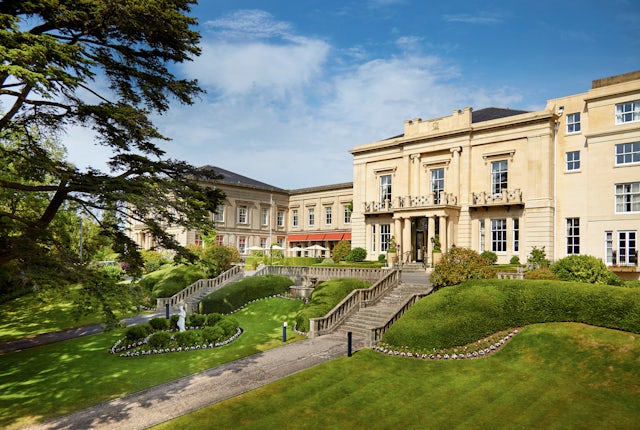
City Breaks: Explore a UK city during the quieter Twixmas period. Properties like Macdonald Bath Spa in Bath's city centre, Macdonald Windsor Hotel in Windsor, or Macdonald Alveston Manor in Stratford-upon-Avon offer city-centre bases for exploration without summer crowds.
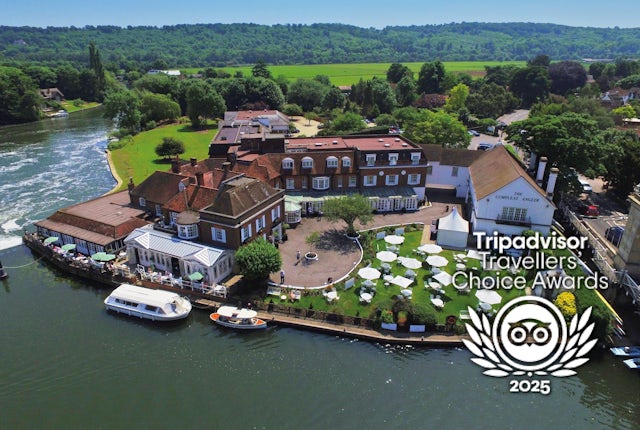
Countryside Escapes: The UK landscape is at its bleakest and most beautiful in late December. Twixmas is perfect for countryside hotels like Macdonald Old England Hotel & Spa on Windermere or Macdonald Forest Hills in the Trossachs.
New Year's Eve Celebrations: Base yourself somewhere that celebrates New Year properly. Edinburgh and Glasgow, accessible via Macdonald Houstoun House and Macdonald Inchyra, come alive for Hogmanay.


Your Perfect Week Away
Whether you're seeking rest, adventure, or reflection, discover how to make this week truly yours. Browse available properties and create your ideal escape.
Twixmas Activities by Day
|
Day |
Traditional Activity |
Adventure Alternative |
Wellness Alternative |
|---|---|---|---|
|
26 Dec (Boxing Day) |
Boxing Day walks |
Boxing Day sales exploring |
|
|
27 Dec |
Leftovers and films |
Day trip to nearby town |
|
|
28 Dec |
Reset and organise |
Adventure activity or hiking |
Yoga and nature walk |
|
29 Dec |
Planning and review |
Explore a new area |
|
|
30 Dec |
Casual entertaining |
Last-minute adventure |
|
|
31 Dec (NYE) |
New Year's Eve celebrations |
Midnight celebration (wherever you are) |
Quiet reflection and early sleep |
Where to Stay: Hotel Options
Rather than staying home after Christmas, many people now use this week as a proper retreat. Macdonald Hotels offers properties across the UK suited to different approaches to the week.
Historic Towns
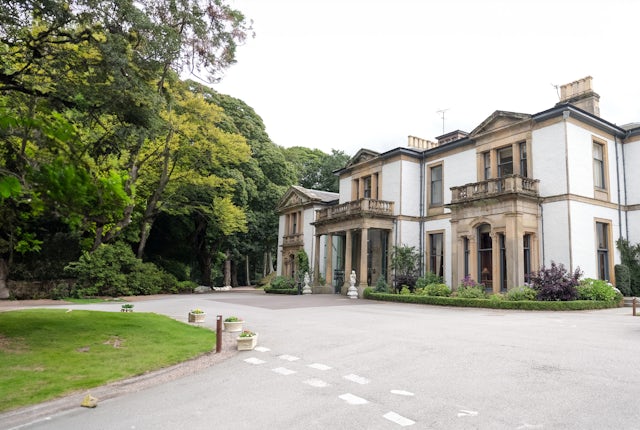
Macdonald Bath Spa in Bath's Georgian centre, Macdonald Windsor Hotel opposite Windsor Castle, and Macdonald Alveston Manor in Stratford-upon-Avon place guests in historic towns perfect for quiet walks and exploration.
Countryside and Lakeside
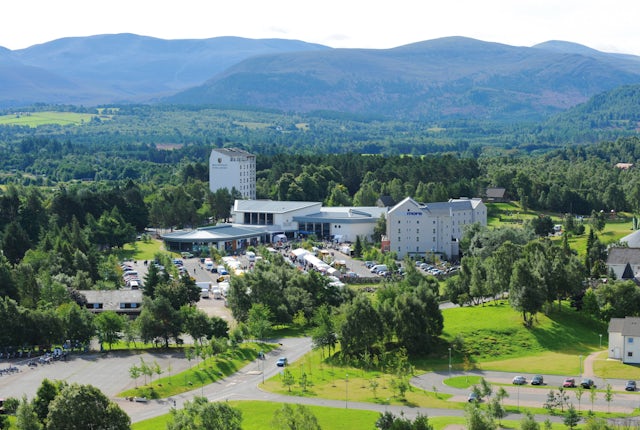
Macdonald Old England Hotel & Spa on Windermere in the Lake District, Macdonald Houstoun House in 22 acres near Edinburgh, and Macdonald Linden Hall across 450 acres in Northumberland provide country settings with easy walking access and quiet surroundings.
For Those Planning New Year's Eve
Macdonald Inchyra and Macdonald Houstoun House both sit within direct train access to Edinburgh's Hogmanay celebrations, or base yourself in Edinburgh itself for the full festive experience.
Twixmas Trends
Modern Twixmas culture is evolving. Where Twixmas was once simply "that bit after Christmas," it's now actively planned around. Trends emerging in Twixmas culture include:
Digital Detox: Many use Twixmas as a time to step back from social media and constant connectivity.
Slow Living: The rise of wellness culture means more people are using Twixmas for intentional slowness rather than productivity.
Staycations: Instead of flying abroad, more people are taking "staycations" during Twixmas, exploring the UK by staying in hotels like Macdonald's properties.
Reflection and Planning: Rather than waiting for New Year's Day, many now use Twixmas for thoughtful end-of-year review and new year planning.
Skip-the-Crowds Travel: Twixmas travel is increasingly popular precisely because Christmas crowds have dispersed and New Year crowds haven't yet arrived.
Frequently Asked Questions About Twixmas
Conclusion
Twixmas is the week that nobody talks about until it arrives, and then suddenly everyone is protecting it fiercely. It's that magical window where productivity is optional, schedules lose meaning, and rest becomes revolutionary. Whether you spend it at home in pyjamas eating leftover turkey, at a spa hotel treating yourself properly, exploring a quiet UK city, or planning your new year thoughtfully, Twixmas is increasingly the most important week of the entire festive season.
Macdonald Hotels properties across England, Scotland, and Wales offer perfect Twixmas bases, from spa retreats designed for pure relaxation to city-centre hotels for exploration, countryside escapes for walking and thinking, and properties with direct access to Hogmanay celebrations if you want to extend the festivities. Whether your Twixmas is about rest, adventure, productivity, or doing absolutely nothing at all, make it intentional, protect it fiercely, and embrace the glorious suspension of normal life that Twixmas represents.


