




















Hot Stone Massage Benefits: A Complete Guide to Heat Therapy
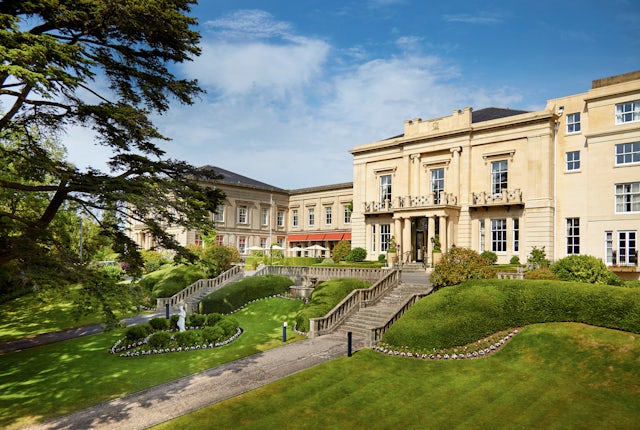
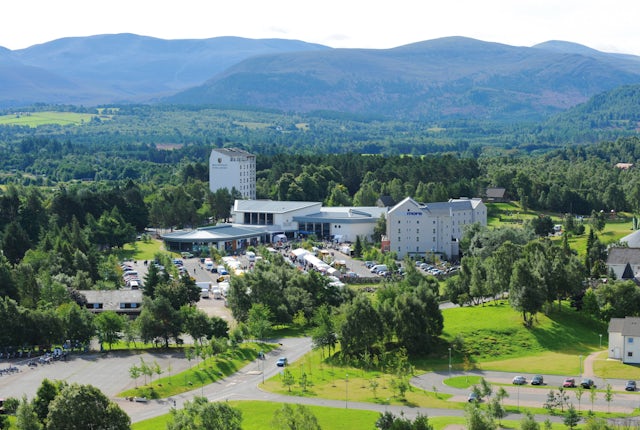
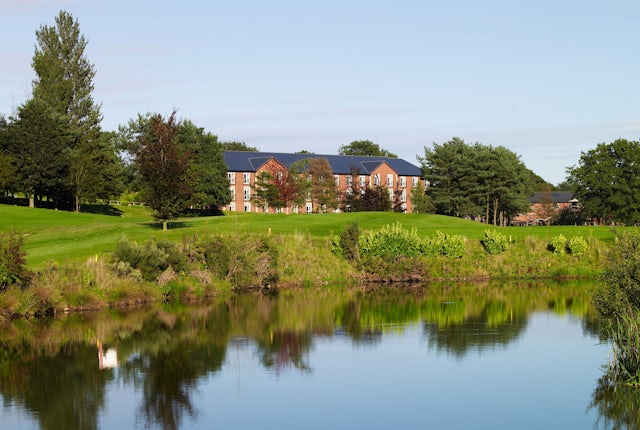
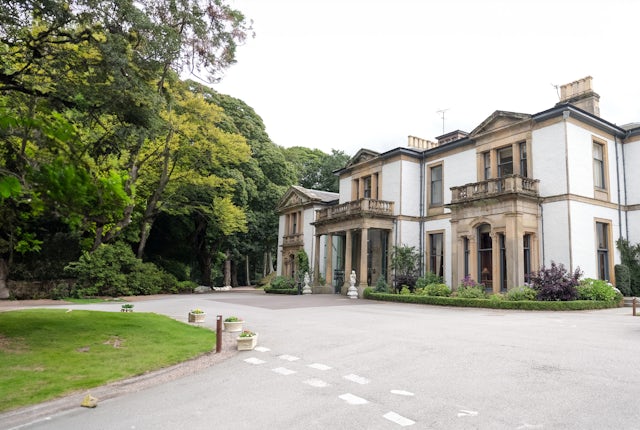
Hot stone massage has become one of the most sought-after wellness treatments in the UK, combining a long-standing healing tradition with modern therapeutic technique. This treatment uses smooth, heated basalt stones to ease tension, calm chronic muscle pain, and support deep relaxation in ways that traditional massage alone cannot always achieve. Whether for chronic pain, stress carried in the muscles, or simply a deeper form of relaxation, hot stone massage offers a wide range of physical and mental health benefits. This guide explains what hot stone massage is, how it works, and why it has become such a popular choice for wellness-conscious guests across Britain. Hot stone massage is available at Macdonald Hotels spas throughout the UK, from Bath to the Scottish Borders.
Where Hot Stone Massage Comes From
Hot stone massage has roots stretching back roughly five thousand years to India, before spreading to Japan, China, and Native American cultures, each developing their own approach to heat-based bodywork. The modern version practised in spas today was developed and trademarked by Arizona massage therapist Mary Nelson as LaStone Therapy in the 1990s, and it is now offered in spas and wellness centres worldwide.
What is Hot Stone Massage?
Hot stone massage is a therapeutic treatment that uses smooth, heated basalt stones, a volcanic rock rich in iron, to promote deep relaxation and ease muscle tension. Unlike traditional massage, which relies solely on the therapist's hands and body weight, hot stone massage incorporates heated stones as an extension of the therapist's hands, combining thermotherapy (heat therapy) with skilled massage technique.
The localised heat from the stones increases blood flow to problem areas and allows the therapist to work deeply into the muscles without the heavier pressure that can sometimes feel uncomfortable in deep tissue massage. This makes it a good option for those seeking therapeutic benefit without intense pressure, or those recovering from conditions that make firmer massage difficult to tolerate.
Hot Stone Massage Compared to Other Treatments
|
Massage Type |
Pressure |
Best For |
Typical Duration |
|
Hot stone |
Light to firm, heat-assisted |
Relaxation, chronic pain, sleep, stress |
50 to 90 minutes |
|
Deep tissue |
Firm to intense |
Chronic pain, muscle tension, injury recovery |
60 to 90 minutes |
|
Swedish |
Light to medium |
General relaxation, stress relief, circulation |
60 to 90 minutes |
|
Sports massage |
Medium to firm |
Pre- and post-event recovery, performance |
30 to 60 minutes |
Guests unsure which treatment best suits their needs are welcome to discuss their goals with a therapist before booking, who can recommend the most appropriate option.


Book a Hot Stone Massage at a Macdonald Hotels Spa
Macdonald Hotels spas are staffed by fully qualified, experienced massage therapists trained in hot stone technique, safety protocols, and therapeutic application, set within comfortable spa surroundings across the UK.
Why choose Macdonald Hotels for hot stone massage
-
Experienced therapists: all massage therapists are trained in proper hot stone technique and therapeutic application
-
Comfortable spa surroundings: relax before and after treatment in premium spa facilities
-
Personalised care: each session is tailored to specific needs, whether relaxation, pain relief, or both
-
Hotel convenience: combine a massage with a restorative hotel stay for a complete wellness break
-
Professional standards: rigorous safety, hygiene, and therapeutic care standards are maintained throughout
-
Flexible booking: appointment scheduling designed to suit a range of routines
Spa Hotel Locations
Hot stone massage is available at the following Macdonald Hotels spas throughout the UK.
|
Hotel |
Location |
|
Stratford-upon-Avon |
|
|
Bath (five-star spa) |
|
|
Ascot, Berkshire |
|
|
Southampton, Hampshire |
|
|
Peebles, Scottish Borders |
|
|
Near Chester |
|
|
East Kilbride, Lanarkshire |
|
|
Aberfoyle, Trossachs |
|
|
Camberley, Surrey |
|
|
Whitchurch, Shropshire |
|
|
Livingston, West Lothian |
|
|
Falkirk, Central Scotland |
|
|
Morpeth, Northumberland |
|
|
Windermere, Lake District |
|
|
Tarporley, Cheshire |
Each location can be booked directly through the links above, or by getting in touch with the hotel's spa team for guidance on choosing the right treatment.
How Does Hot Stone Massage Work? The Science Behind the Heat
Hot stone massage works through a considered combination of heat application, stone placement, and massage technique. Understanding the mechanism explains why this therapy is effective for both physical healing and mental relaxation.
The Stones: Why Basalt?
The stones used in hot stone massage are dense volcanic basalt, naturally smoothed by river currents over many years. Basalt is well suited to therapeutic massage because its high iron content allows it to absorb and retain heat for extended periods. This thermal retention matters, as it keeps the stones at a therapeutic temperature throughout the massage, providing consistent, sustained heat that reaches deep into the muscle tissue.
The stones are typically smooth, flat, and roughly the size of an egg, with larger stones reserved for larger muscle groups and smaller stones used on delicate areas such as the face, hands, and feet. Different stone shapes and sizes allow therapists to glide through tissue, work away tension, or apply targeted pressure to trigger points.
Temperature and Safety
Professional therapists heat the stones in warm water to a comfortable temperature of between 49°C and 54°C (roughly 120°F to 130°F). This range is warm enough to reach the muscle tissue and support relaxation, without causing burns or discomfort when applied correctly. Before any stone touches the skin, the therapist tests the temperature and puts protective barriers, such as towels or sheets, in place. Communicating with the therapist if any stone feels too hot is encouraged throughout, as comfort remains the priority.
Stone Placement and Massage Technique
A typical hot stone massage session progresses through three phases.
Phase one: Swedish massage preparation. The therapist begins with traditional Swedish massage technique to warm and prepare the muscles. This phase increases blood flow and tissue temperature, making deeper layers more responsive.
Phase two: strategic stone placement. Once muscles are warmed, heated stones are placed on key areas of the body, typically along the spine, on the back, abdomen, chest, feet, palms, and between the toes. Some therapists place stones according to anatomical tension points, while others follow energy meridian principles. Larger stones are positioned on larger muscle groups, with smaller stones used on more delicate areas.
The heat from these stationary stones takes three to four minutes to reach deeper muscle layers, helping them relax and become more pliable. This allows the therapist to apply deeper therapeutic pressure where needed, while remaining comfortable throughout.
Phase three: active massage with stones. The therapist then uses the heated stones as massage tools, applying slow, deliberate strokes, gentle gliding motions, circular movements, and kneading pressure. As the stones cool, the therapist rotates in warmer ones to maintain a therapeutic temperature throughout the session.
The combination of heat and pressure works together: heat relaxes muscle fibres and makes them more pliable, while stone pressure and therapeutic touch release tension, break down adhesions, and improve circulation. This dual action is part of why hot stone massage often achieves results that pressure alone, or heat alone, cannot.
How Heat Penetrates the Body
When heat from the stones reaches the skin, it causes blood vessels to dilate, which improves blood circulation to those areas. This increased blood flow delivers more oxygen and nutrients to muscles, tissues, and organs, supporting healing and promoting relaxation.
Heat also causes muscle fibres to relax and become less guarded. Chronically tense muscles develop protective tension patterns, and heat helps overcome this protective response, allowing the muscles to release their grip. This is part of why hot stone massage often achieves a level of relaxation that pressure alone struggles to reach.

The Main Benefits of Hot Stone Massage
Hot stone massage offers a wide range of both immediate and longer-lasting benefits across several systems of the body and mind.
Deep Muscle Relaxation and Tension Relief
One of the most immediate effects of hot stone massage is relief from muscle tension. Heat causes muscle fibres to relax and become more pliable, making it considerably easier for the therapist to work through knots, adhesions, and areas of chronic tightness.
For those carrying tension in the neck, shoulders, and upper back from long hours at a desk or physically demanding work, hot stone massage can feel like a genuine reset. The heat reaches muscles that ordinary massage sometimes struggles to affect. Many guests report feeling noticeably more relaxed immediately after their first session, with further improvement over subsequent treatments.
Pain Relief and Chronic Pain Management
Warmth acts as a natural aid to pain relief. Hot stone massage is effective for easing muscle spasms, joint stiffness, and a number of chronic conditions.
-
Arthritis and joint pain: heat improves mobility in stiff joints by relaxing the muscular tightness that restricts movement. Research published in the Journal of Research in Medical Sciences found that people with rheumatoid arthritis experienced less pain, greater grip strength, and improved range of motion after a month of regular massage therapy.
-
Fibromyalgia: a condition causing widespread chronic pain, fibromyalgia often responds well to hot stone massage. A 2002 study found that fibromyalgia patients receiving regular massage slept longer, had fewer trigger points, and showed decreased levels of substance P, a neurotransmitter involved in pain signalling, compared with those receiving relaxation therapy alone.
-
Chronic back pain: localised heat and muscle relaxation directly address lower back pain, one of the most common reasons people seek massage therapy.
-
Muscle spasms and general soreness: heat reduces muscle spasms by relaxing muscle fibres, while improved circulation helps clear metabolic waste and inflammatory compounds.
Pain relief from hot stone massage comes from several mechanisms working together: heat-induced muscle relaxation, improved circulation, released endorphins, and lowered cortisol.
Enhanced Circulation and Healing
Heat from the stones widens blood vessels, improving blood flow to targeted areas. This increased circulation delivers nutrients and oxygen to muscles and tissues, supporting recovery. This is particularly valuable for post-exercise recovery, where enhanced circulation helps clear metabolic waste while bringing fresh oxygen for repair, and for post-injury rehabilitation, where improved blood flow supports tissue repair. Regular improved circulation more generally maintains tissue health, reduces inflammation, and supports the body's natural processes.
Stress and Anxiety Reduction
The combination of heat, pressure, and therapeutic touch has a strong stress-relief effect. Warmth and tactile sensation activate the parasympathetic nervous system, the body's rest-and-digest mode, triggering a relaxation response.
Hot stone massage helps lower cortisol, the body's primary stress hormone, which when chronically elevated contributes to anxiety, poor sleep, and weakened immunity. It also supports the release of endorphins and serotonin, both important for a positive mental state, and engages the nervous system's relaxation response more broadly. Many guests report feeling emotionally lighter and calmer following a session.
Improved Sleep Quality
Hot stone massage is increasingly recognised as a natural, non-pharmaceutical aid for sleep difficulties, working through several mechanisms: releasing muscle tension that can prevent sleep, reducing stress and mental chatter, supporting the release of melatonin, the body's natural sleep hormone, and helping regulate the natural sleep-wake cycle.
Research supports these effects. A study of hot stone therapy in patients undergoing haemodialysis found that basalt hot stone massage significantly reduced sleep disturbance. A 2006 literature review found massage may be as effective as sleeping tablets for adults with insomnia, and a further study focused on postmenopausal women found massage particularly beneficial for easing sleep problems in that group.
Improved Mobility and Flexibility
Tight muscles and restricted fascia limit movement and cause pain. Hot stone massage helps loosen these areas by relaxing muscle fibres, releasing fascial restrictions through sustained heat and pressure, and easing the muscular tightness that surrounds stiff joints. This makes it a useful option for athletes seeking better range of motion, those with physically demanding jobs, and anyone experiencing reduced mobility from ageing, injury, or a chronic condition.
Nervous System Balance
Hot stone massage activates the parasympathetic nervous system, the body's natural recovery state. This can slow the heart rate, lower blood pressure, reduce muscle tension, support digestion, and promote emotional calm, which is part of why many guests feel both relaxed and refreshed after a session.
Immune Support
By reducing chronic stress and improving circulation, hot stone massage can support the immune system. Chronic stress and raised cortisol are known to suppress immune function, while massage helps lower stress hormones and supports the body's lymphatic system, which plays a role in natural immunity.
Better Posture and Reduced Postural Pain
Long desk hours, screen time, and physically demanding work all contribute to postural imbalance and chronic tension. Hot stone massage can help release the muscle tension patterns that pull the body out of alignment and ease the discomfort caused by postural strain, supporting better habits over time.
Mental Health Support
Beyond the physical, hot stone massage offers measurable mental health benefits. Massage therapy has been shown to help reduce symptoms of anxiety and low mood, partly through reduced stress hormones and increased feel-good neurochemicals, and partly through the simple psychological comfort of therapeutic touch. Emotional tension, which often manifests physically as muscle tightness, can also be eased through this kind of bodywork.
Who Benefits Most from Hot Stone Massage?
|
Category |
Who It Suits |
|
Physical health |
Chronic pain (back, neck, shoulders, arthritis, fibromyalgia), post-exercise recovery, post-injury rehabilitation, joint stiffness |
|
Stress and sleep |
Anxiety and stress management, insomnia, low mood, general relaxation |
|
Lifestyle |
Athletes, office workers with postural strain, physically demanding jobs, shift workers with irregular sleep |
|
Age groups |
Working-age adults managing stress and pain, postmenopausal women (particularly for sleep support), older adults managing chronic pain, generally safe with appropriate modifications |

What to Expect During a Hot Stone Massage Session
Before the Appointment
-
Arrive ten to fifteen minutes early to complete health questionnaires
-
Communicate any health conditions, injuries, or areas of concern to the therapist
-
Avoid large meals, caffeine, or alcohol immediately before treatment
-
Wear comfortable clothing that is easy to change in and out of
During the Session
A typical hot stone massage lasts between fifty and ninety minutes, depending on individual needs and preferences, and takes place in a warm, peaceful spa environment designed to support deep relaxation.
-
Guests undress to their comfort level and lie on a massage table, covered with warm towels
-
The therapist begins with Swedish massage technique to warm and prepare the muscles
-
Heated basalt stones are placed on the body (back, spine, palms, feet, and other key areas)
-
The stones' warmth penetrates the muscles as the therapist works
-
The therapist uses the stones as massage tools, combining heat and therapeutic pressure
-
As stones cool, the therapist rotates in warmer ones to maintain a consistent temperature
Informing the therapist if any stone feels too hot, and communicating pressure preferences throughout, helps keep the treatment both comfortable and effective. There should be no pain, only therapeutic pressure and comforting warmth.
After the Session
-
A deep sense of relaxation and calm is common immediately afterward
-
Some guests notice a pleasant sense of heaviness, while others feel refreshed and energised
-
Drinking plenty of water supports the body's natural processes
-
Resting for the remainder of the day, where possible, helps prolong the benefit
-
Strenuous exercise is best avoided for twenty-four hours
-
Mild soreness, similar to post-exercise soreness, is normal and usually resolves within one to two days
Recommended Frequency
|
Goal |
Suggested Frequency |
|
Chronic pain or acute conditions |
Weekly or fortnightly for four to six weeks, then monthly maintenance |
|
Stress relief and general wellness |
Monthly, or every two months for ongoing benefit |
|
Athletic recovery |
Weekly during heavy training phases, as part of a wider training schedule |
|
General relaxation |
Monthly to quarterly, depending on individual needs |
Common Conditions Treated with Hot Stone Massage
Arthritis and autoimmune conditions. Hot stone massage offers gentle, effective relief without the intense pressure that can aggravate inflamed joints. Heat improves joint mobility, while reduced tension around affected joints supports easier movement. Research supports benefits for both rheumatoid arthritis and osteoarthritis.
Fibromyalgia. Characterised by widespread chronic pain, often with fatigue and disturbed sleep, fibromyalgia tends to respond particularly well to hot stone massage. The heat-supported approach is less likely to trigger pain responses than deeper pressure massage, while still offering therapeutic benefit.
Chronic back pain. Lower back pain is one of the most common reasons people seek massage therapy. Hot stone massage addresses it through muscle relaxation, improved circulation, and the release of tension patterns, with heat reaching deep back muscles that ordinary massage can struggle to affect.
Insomnia and sleep disturbance. Whether caused by stress, pain, age-related changes, or other factors, sleep difficulties often respond well to the combination of physical relaxation, nervous system calming, and melatonin support that hot stone massage provides.
Postmenopausal symptoms. Postmenopausal women often experience disturbed sleep, hot flushes, mood changes, and joint pain. Hot stone massage can help address several of these symptoms at once, particularly sleep quality and emotional wellbeing.
Sports injuries and athletic recovery. Athletes use hot stone massage for post-competition recovery, maintenance during training cycles, and injury rehabilitation, with enhanced circulation supporting healing and relaxation aiding recovery.
Potential Contraindications and Safety Considerations
While hot stone massage is generally safe for most people, certain conditions call for caution or medical clearance.
|
Condition |
Consideration |
|
Active inflammation or recent injury |
Heat may aggravate the area |
|
High fever or acute illness |
Treatment should be postponed |
|
Heart disease or uncontrolled blood pressure |
Medical clearance recommended |
|
Diabetes with compromised circulation or sensation |
Medical clearance recommended |
|
Varicose veins or risk of deep vein thrombosis |
Medical clearance recommended |
|
Thin or easily damaged skin |
Modified treatment may be needed |
|
Severe osteoporosis |
Medical clearance recommended |
|
Recent surgery |
Follow post-operative guidance |
|
Pregnancy |
Modified, gentle treatment may be appropriate |
|
Open wounds, severe burns, or skin conditions |
Treatment should be avoided on affected areas |
|
Recent sunburn or severe redness |
Treatment should be avoided on affected areas |
Sharing any health conditions with the therapist beforehand allows treatment to be modified, or an appropriate alternative recommended, where needed.
Frequently Asked Questions About Hot Stone Massage Benefits
Conclusion
Hot stone massage is a well-established therapeutic approach to managing pain, reducing stress, improving sleep, and supporting overall health. The combination of a centuries-old tradition and modern therapeutic understanding makes it effective for both immediate relaxation and longer-term physical and mental health benefit.
For anyone managing chronic pain, carrying stress in the muscles, dealing with poor sleep, or simply looking for deeper relaxation, hot stone massage addresses these needs through several mechanisms working together: heat-induced muscle relaxation, improved circulation, reduced stress hormones, nervous system balance, and the wider benefits of therapeutic touch.
Hot stone massage is available at Macdonald Hotels spas across the UK. Book an appointment at the nearest location and experience the benefits of professional, heat-assisted therapeutic treatment.


