









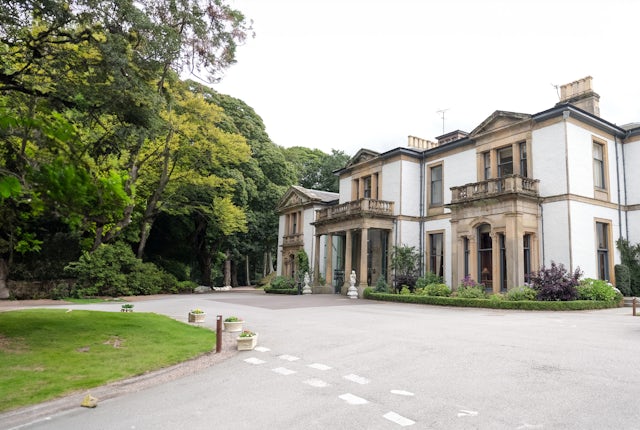


Fort George, Inverness: The Complete Visitor Guide
Fort George is an eighteenth-century artillery fortress on the Moray Firth, around eleven miles northeast of Inverness near the village of Ardersier. Built in the years after the Battle of Culloden, it remains a working army barracks today, home to the Black Watch, 3rd Battalion, Royal Regiment of Scotland, as well as the Highlanders' Museum and some of the best dolphin-watching in Scotland from its ramparts. Designed by Lieutenant-General William Skinner and built by the Adam family of architects, it took twenty-two years to complete and is widely regarded as one of the finest surviving artillery fortifications in Europe. This guide covers its history and design, what there is to see, opening times, facilities, accessibility, and where to stay nearby.
Quick Facts: Fort George at a Glance
|
Fact |
Detail |
|
Location |
Near Ardersier, around 11 miles northeast of Inverness |
|
Built |
1748 to 1769 to 1770, taking twenty-two years to complete |
|
Designed by |
Lieutenant-General William Skinner, built by the Adam family of architects |
|
Size |
Around 42 acres, roughly the area of five football pitches within the ramparts |
|
Rampart walk |
More than 1 kilometre, with the fort measuring 620 metres end to end |
|
Status |
An active British Army barracks, managed jointly with Historic Environment Scotland |
|
Regiment |
Home to the Black Watch, 3rd Battalion, Royal Regiment of Scotland |
|
Included attraction |
The Highlanders' Museum (Queen's Own Highlanders Collection) |
|
Admission |
Paid entry, free for Historic Environment Scotland members, Explorer Pass holders, and serving British Armed Forces personnel |
|
Parking |
Free, on site |


Is Fort George Worth Visiting?
Yes. Fort George is regularly rated among the best historical attractions near Inverness, and its scale is genuinely striking, with a rampart walk of over a kilometre and views across the Moray Firth to the Black Isle. Beyond the history, it is one of the more reliable spots in Scotland to see wild bottlenose dolphins without booking a boat trip, since the channel between the fort and Chanonry Point on the opposite shore is a regular feeding route. Visitors with an interest in military history tend to rate it highly for the Highlanders' Museum and the preserved barrack rooms, while those simply after a scenic coastal walk still find it worthwhile for the views alone. Most visits take between ninety minutes and three hours, making it a natural half-day addition to a stay in Inverness.
What Regiment Is Based at Fort George?
Fort George remains home to the Black Watch, 3rd Battalion, Royal Regiment of Scotland, making it one of the few Historic Environment Scotland sites that is still in active military use rather than being a preserved ruin. The fort also houses the Highlanders' Museum, home to the Queen's Own Highlanders Collection, the largest collection of military artefacts outside Edinburgh, covering the history of the Highland regiments from just after Culloden through to the present day.
Is Fort George an Active Military Base?
Yes. Fort George has been in continuous military use since it was completed, and it remains a working barracks today. Because of this, loud noises, bangs, and low-flying helicopters are a normal part of a visit, and parts of the site remain in operational military use and are not open to the public. Visitors are welcome to explore the areas that are open, including the ramparts, barrack rooms, and museum.
Can You Walk Around Fort George for Free?
No, entry to Fort George requires a paid ticket, since it is managed by Historic Environment Scotland and forms part of its wider ticketed estate. Members of Historic Environment Scotland, along with holders of an Explorer Pass and serving members of the British Armed Forces, can enter free of charge. The fort can be viewed from a distance along the surrounding coastline without paying, but access to the ramparts, museum, and barrack rooms requires admission. Parking on site, by contrast, is free for all visitors.

History and Design of Fort George
Built After Culloden
Fort George was constructed as a secure base for the government's forces in the Highlands, part of a wider effort to prevent any further Jacobite uprisings following the defeat at Culloden in 1746. Its scale reflected the seriousness of that intent: at the time, it was one of the most expensive military building projects undertaken anywhere in Britain.
Designed by Skinner, Built by the Adam Family
The fort was designed by Lieutenant-General William Skinner, the Army's chief military engineer in Scotland, and built by the Adam family of architects, whose later work would go on to shape much of Georgian Britain. Construction took twenty-two years, and by the time it was finished, the Jacobite threat it was built to guard against had largely subsided. Fort George has never been attacked in the two and a half centuries since.
A Complete, Unaltered Star Fort
Because it was built in one continuous phase rather than developed piecemeal over centuries, Fort George is unusually complete and coherent for a fortification of its age, and it is widely regarded as one of the best-preserved examples of eighteenth-century artillery fortification anywhere in Europe. Its star-shaped bastions, designed to give defending cannon overlapping fields of fire and eliminate blind spots, remain almost entirely intact.
What to See and Do at Fort George
The Ramparts and Dolphin Watching
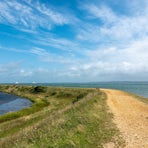
The elevated grassy ramparts run for more than a kilometre around the fort and are the main draw for many visitors, offering sweeping views along the Moray Firth. The channel between Fort George and Chanonry Point, on the Black Isle opposite, is a well-known feeding route for the Moray Firth's bottlenose dolphins, and sightings from the ramparts are common, particularly on a rising tide.
The Highlanders' Museum
Included in the standard admission price, the Highlanders' Museum holds the Queen's Own Highlanders Collection, the largest collection of Highland military artefacts outside Edinburgh, tracing the history of the Highland regiments from the years after Culloden to the present day.
Barrack Rooms and the Grand Magazine
Several original barrack rooms have been preserved and furnished to show how soldiers lived at different points in the fort's history, alongside the Grand Magazine, once used to store gunpowder, and the eighteenth-century garrison chapel, one of the best-preserved buildings of its kind in Scotland.
A Suggested Route Around the Fort
Most visitors follow a similar path: entering across the drawbridge, taking in the exhibitions in the casemates near the entrance, then climbing onto the ramparts to walk the full circuit before dropping down to explore the barrack rooms, chapel, and Highlanders' Museum. Allowing time to walk the complete rampart circuit is worth it even for visitors mainly interested in the history, since it is also the best vantage point for spotting dolphins.

Facilities at Fort George
Fort George is one of the larger Historic Environment Scotland sites and is correspondingly well equipped. An on-site café serves hot and cold drinks, snacks, and light meals, and there is a gift shop stocking souvenirs and books. Toilets, including accessible facilities and baby changing, are located centrally within the site, and a picnic area is available for anyone bringing their own food. Free parking is provided on site, close to the fort entrance.
Accessibility at Fort George
Fort George is largely accessible to wheelchair users and visitors with mobility issues, with manual wheelchairs and a limited number of mobility scooters available to borrow free of charge, on a first-come, first-served basis. The car park sits around 200 metres from the fort entrance along a tarmac path, with a further short stretch over cobbles to the ticket shop. Ramps at a 1:6 gradient, with a reinforced grass surface, lead up onto the ramparts, though the site's own drawbridge is not suitable for visitor mobility scooters, and staff can arrange an alternative route on request. Adapted toilets are located centrally, and a limited number of ear defenders are available for visitors sensitive to the noise of the working barracks. Assistance dogs are welcome throughout, and visitors' own dogs are permitted on a lead across the site, though not inside roofed buildings.
Fort George Opening Times and Tickets
|
Season |
Opening Hours |
|
1 April to 30 September |
Daily, 9.30am, last entry 4.30pm, closes 5.30pm |
|
1 October to 31 March |
Daily, 10am, last entry 3pm, closes 4pm |
Standard admission is payable on arrival or in advance through Historic Environment Scotland, with free entry for members, Explorer Pass holders, and current members of the British Armed Forces. Occasional early closures take place around specific events, so checking current opening times before travelling is worthwhile, particularly outside the main summer season.
How to Get to Fort George from Inverness
Fort George sits around eleven miles northeast of Inverness, close to the village of Ardersier, and is reached by car in around twenty-five minutes via the A96 and B9006. There is free parking on site. Public transport options are more limited, so a car is the most practical way to visit for most people, whether driving independently or as part of a wider day out along the Moray Firth.
Nearby Attractions to Combine with a Visit
Fort George sits within easy reach of several other well-known Highland attractions, making it easy to build into a fuller day out rather than a standalone trip.
|
Attraction |
Distance from Fort George |
Why Visit |
|
Culloden Battlefield |
Around 23 minutes' drive |
The site of the last pitched battle fought on British soil, with a visitor centre and memorial |
|
Nairn Beach |
Around 19 minutes' drive |
A long stretch of golden sand with an estuary popular with waterfowl |
|
Chanonry Point |
Around 45 minutes' drive via the Kessock Bridge |
One of the best land-based dolphin watching spots in Scotland, on the opposite shore of the Moray Firth |
|
Inverness city centre |
Around 25 minutes' drive |
Shops, restaurants, Inverness Castle, and the River Ness |
Family Visits to Fort George
Fort George works well for families, with plenty of open space to explore along the ramparts, cannons and watchtowers to spot, and a genuine chance of seeing dolphins from the walls. The site's café and picnic area make it easy to break up a visit, and the flat, mainly tarmac paths around most of the fort suit pushchairs, though the ramp sections up to the ramparts are steeper. Ear defenders are available on request for younger visitors who may be sensitive to the noise from the working barracks.
Where to Stay Near Fort George: Macdonald Hotels in Inverness
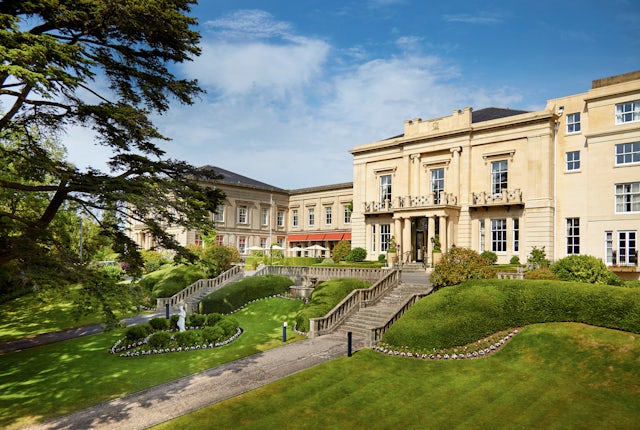
Macdonald Drumossie Hotel
Set on the edge of Inverness with views over the Moray Firth, Macdonald Drumossie Hotel is a short drive from Fort George and equally well placed for Culloden Battlefield and the city centre.


Macdonald Ness Side
Macdonald Ness Side sits closer to the River Ness and the centre of Inverness, offering easy access to both the city itself and the coast road out towards Fort George and Ardersier.

Frequently Asked Questions About Fort George
Conclusion
Fort George is one of the most complete eighteenth-century fortifications left standing in Europe, and its combination of genuine military history, an active army presence, and reliable dolphin watching makes it one of the better half-day trips from Inverness. Pairing it with Culloden Battlefield or Nairn Beach turns it into a fuller day out, and basing a stay at Macdonald Drumossie Hotel or Macdonald Ness Side keeps Fort George, Culloden, and the wider Moray Firth coastline all within easy reach.


