
















Best Christmas Markets in Europe 2026
The best Christmas markets in Europe are Salzburg, Strasbourg and Colmar, Budapest, Vienna, Prague, Nuremberg, Cologne, Tallinn and Brussels. Each combines festive chalets, mulled wine, traditional food and a historic setting, but they differ in atmosphere, cost and how busy they get. This guide ranks the top markets, shows when each one typically opens, and helps you choose the right market for the kind of trip you want.
Quick Answer: Europe's Best Christmas Markets at a Glance
|
Rank |
Market |
Typical Season |
Best For |
|---|---|---|---|
|
1 |
Salzburg, Austria |
Mid-November to New Year |
Alpine backdrop, choral singing |
|
2 |
Strasbourg and Colmar, France |
Late November to late December |
First-timers, storybook villages |
|
3 |
Budapest, Hungary |
November to early January |
Light shows, value for money |
|
4 |
Vienna, Austria |
Mid-November to early January |
Palace settings, classic pastries |
|
5 |
Prague, Czech Republic |
Late November to early January |
Fairytale Old Town Square |
|
6 |
Nuremberg, Germany |
November to 24 December |
Gingerbread, family visits |
|
7 |
Cologne, Germany |
November to 24 December |
Cathedral backdrop, themed markets |
|
8 |
Tallinn, Estonia |
Late November to early January |
Medieval Old Town, historic tree tradition |
|
9 |
Brussels, Belgium |
Late November to early January |
Over 250 chalets, city food scene |
|
10 |
Bruges, Belgium |
Late November to early January |
Canal-side setting, quieter streets |
How We Ranked the Best Christmas Markets in Europe
The ranking weighs the atmosphere of each market, the quality and variety of stalls and food, how well the setting suits a Christmas trip, and how easy the destination is to combine with other sights. Dates change from year to year, so the seasons above are typical windows rather than fixed dates. Always confirm opening days on the market's official tourism website before you book.


Make a Christmas market break extra special
From twinkling lights to festive treats, discover the magic of the Christmas markets this winter. Make a getaway of it with a stay at Macdonald Hotels, the perfect base for soaking up the season’s festive atmosphere.
The Best Christmas Markets in Europe, Ranked
1. Salzburg, Austria
Salzburg's Christkindlmarkt is set across Domplatz and Residenzplatz, with the fortress rising above the old town. Traditional choral singing, nativity scenes and an alpine backdrop give it a sense of occasion that few other markets match. The market often stays open through Christmas Day, Boxing Day and New Year's Day, so it works well for a holiday-period trip. Many travel writers name it their favourite in Europe.
2. Strasbourg and Colmar, France
Strasbourg calls itself the Capital of Christmas and is home to France's oldest Christmas market, with its Gothic cathedral lit up across the main square. Colmar, about an hour away by train, offers a quieter, storybook setting with colourful half-timbered houses along its canals. Visiting both makes a natural two-stop trip, and this is the best pick for first-time visitors who want an easy, well-organised experience.


3. Budapest, Hungary
Budapest's Advent Basilica and Vörösmarty Square markets are framed by light projections on St Stephen's Basilica, with ice skating, artisan crafts and plenty of hot drinks. The city also suits a longer stay, with thermal baths and a strong dining scene. It is one of the best-value options on this list.
4. Vienna, Austria
Vienna hosts several markets at once, including those at Schönbrunn Palace, City Hall (Rathaus) and Stephansdom. The palace market is among the most striking, and classic Austrian pastries and festive lights create a romantic atmosphere. Vienna suits travellers who want a major city break with a strong cultural calendar alongside the markets.
5. Prague, Czech Republic
Prague's Old Town Square is one of the most photographed Christmas settings in Europe, with the Gothic spires and astronomical clock framing the market. Warm svařák (mulled wine) and local bread dumplings are the highlights, and the compact centre is easy to explore on foot. Expect larger crowds at weekends and in the busiest weeks before Christmas.

6. Nuremberg, Germany
Nuremberg's Christkindlesmarkt sits inside the old city walls and is one of Germany's most traditional markets. It is known for gingerbread (Lebkuchen) and Nuremberg sausages, and it is particularly family-friendly. The historic centre is compact, so the market can easily be combined with a visit to the castle and the old town.
7. Cologne, Germany
Cologne's markets are spread across the city in several themed zones, and the most famous is framed by the towering Gothic facade of Cologne Cathedral. The city is well connected by rail and offers a lively evening scene alongside the festive shopping.
8. Tallinn, Estonia
Tallinn's medieval Old Town Square features a central Christmas tree tradition that dates back to 1441, surrounded by snowy gable roofs and cobbled streets. It is one of the most fairytale-like settings on this list. Tallinn rewards visitors who want something less crowded than the big German and Austrian markets.

9. Brussels, Belgium
Brussels' Winter Wonders market has more than 250 wooden chalets around the Grand Place and Place Sainte-Catherine. The city also offers a strong food scene, from chocolate and waffles to Belgian beer, and it is well connected by rail to other European cities.
10. Bruges, Belgium
Bruges pairs its Christmas market with canal-side views, medieval architecture and quieter streets than Brussels. It is one of the most relaxed options on this list and works well as a day trip or a short stay.

Alternative Christmas Markets Worth Seeking Out
Beyond the headline markets, several smaller destinations offer a more intimate experience. Riquewihr, Eguisheim and Ribeauvillé in Alsace each host small markets in villages that feel untouched by time. Travellers who want to avoid the busiest weekends often find these smaller options more rewarding, though they are easiest to reach by car or as a day trip from Strasbourg.
Best Christmas Markets in Europe by Trip Type
|
Trip Type |
Top Pick |
Runner-Up |
|---|---|---|
|
First-time visitors |
Strasbourg and Colmar |
Salzburg |
|
Classic alpine atmosphere |
Salzburg |
Vienna |
|
Budget-friendly trip |
Budapest |
Prague |
|
Fairytale old towns |
Tallinn |
Prague |
|
Families with children |
Nuremberg |
Vienna |
|
Quieter, less crowded |
Tallinn |
Bruges |
|
City break with markets |
Vienna |
Brussels |

Discover Your Winter Escape
From wandering festive market stalls to sipping something warm beneath the Christmas lights, make the most of the season with a winter escape. With Macdonald Hotels, you can turn your Christmas market visit into a memorable festive getaway.
Closer to Home: Christmas Markets Across the UK
Not every festive trip needs a passport. Several UK markets offer the same mix of chalets, mulled wine and historic streets, with no flights and a short journey from most of the country.
Birmingham Frankfurt Christmas Market
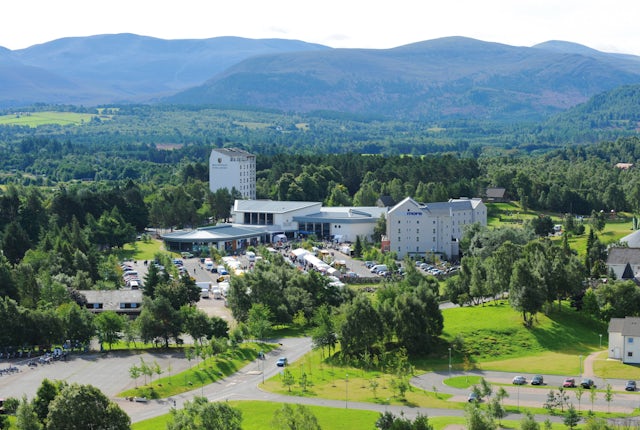
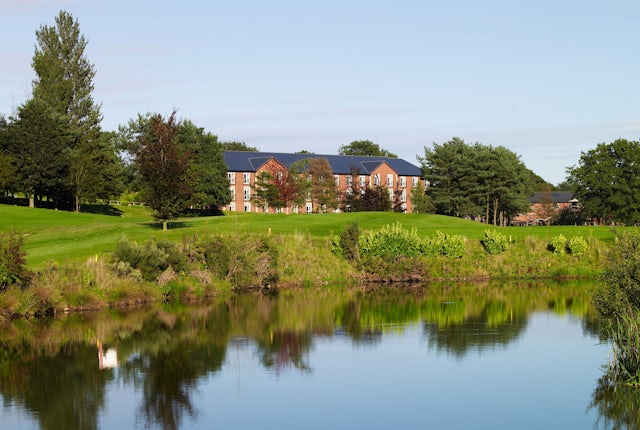
Birmingham's Frankfurt Christmas Market is one of the largest German-style markets in the UK, with wooden chalets, bratwurst, pretzels and live music around Victoria Square. To make a weekend of it, stay at Macdonald Hill Valley Hotel, Golf and Spa, in Shropshire, within easy reach of the city.
Bath and Windsor
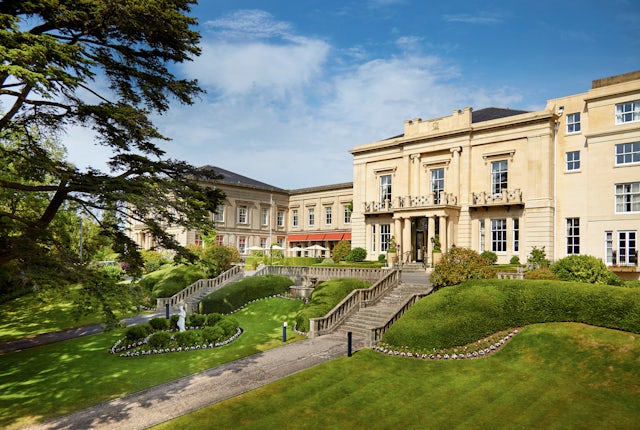
Bath's Christmas market fills the city's Georgian squares, with the Roman Baths and Abbey close by. Macdonald Bath Spa sits in the city centre, so the market is a short walk from the hotel. For a royal setting, Macdonald Windsor Hotel places you next to Windsor Castle and the town's festive shopping.

Sample Christmas Market Itineraries
A Long Weekend in Alsace (Three Days)
Spend the first day in Strasbourg, visiting the cathedral square market in the afternoon and the Petite France quarter as the lights come on. On the second day, take a short train to Colmar and explore the canal district before heading back in the evening. The third day works well for a half-day trip to Riquewihr or Eguisheim, two of the smaller Alsace villages with their own festive stalls, before you travel home.
A Winter Trip Through Central Europe (Five Days)
Start in Vienna for two nights, dividing your time between the palace market at Schönbrunn, the Rathaus market and the cathedral area. Continue by train to Salzburg, a few hours away, and spend two nights there to enjoy the choral singing and the alpine setting. Finish with a final evening browsing the Domplatz stalls. Spreading the stay across two cities keeps the pace relaxed and avoids the rush of day trips.
A Budget-Friendly Eastern Break (Four Days)
Choose Budapest for three nights to take in the Advent Basilica market, the river views and the thermal baths. Add a day in Prague to see Old Town Square and the astronomical clock. Both cities offer strong value compared with the Austrian and German markets, so this is a good route for travellers who want more festive experiences for their budget.
Christmas Market Budget Guide
Costs vary widely between cities, so it helps to plan around three areas: accommodation, food and transport. Accommodation is usually the biggest expense during the festive weeks, so book early and consider staying just outside the historic centre, where rates are often lower. Food at the markets is generally affordable, with mulled wine, sausages and pastries offering good value. Many German-speaking markets charge a small refundable deposit on mugs for mulled wine, so you can return the mug for your money back or keep it as a souvenir. Public transport in most of these cities is efficient and inexpensive, so a city pass can be worthwhile if you plan to visit several museums or sights.
Gift Shopping at European Christmas Markets
Christmas markets are one of the best places to buy handmade gifts. Look for stalls that display a maker's name or workshop, as artisan pieces such as wooden toys, glass ornaments, knitted goods and ceramics tend to be more distinctive than mass-produced items. Local food gifts, including gingerbread, spice mixes and regional liqueurs, travel well and are popular with friends and family. Ask about shipping if you are buying larger items, as many stallholders can arrange it or recommend a courier.
Common Mistakes to Avoid
Many travellers book too late and find that the best-located hotels are sold out, so plan accommodation as soon as you have chosen your dates. Others assume every market is open daily until late, when some close early or pause on certain days, so check opening times for each stop. Underestimating the cold is another common error, especially for evening visits, and layered clothing is more practical than a single heavy coat. Finally, many visitors only see the main square. Walking a few streets away often reveals smaller stalls, quieter cafés and better views.
Accessibility at Christmas Markets
Most of the markets in historic centres involve cobbled streets, steps and uneven surfaces, which can be challenging for wheelchair users and visitors with limited mobility. Newer markets and those in modern squares are often more accessible. Check the official website of each city for accessibility information, and contact the local tourism office if you need details about step-free routes or accessible transport before you travel.
How to Get to Europe's Christmas Markets
Most of these cities are well connected by rail, and several can be combined in a single trip. Strasbourg and Colmar are easy to link together, and Brussels, Cologne and Bruges sit on the same high-speed rail network. Salzburg, Vienna, Prague, Budapest and Tallinn are often reached by flight, so compare routes and book early, as seats on popular December routes sell quickly. If you are planning a multi-city trip, a rail route through Germany or Austria is a practical way to see several markets in one journey.
Whichever route you choose, check passport and visa requirements for each country you plan to visit, as rules can change.
When to Visit Europe's Christmas Markets
Most markets open in mid-to-late November, so visiting in the first two weeks of December gives you the full festive atmosphere without the busiest Christmas crowds. Weekdays are quieter than weekends in every major city, and the final week before Christmas is the busiest. Late December markets are often calmer, but some close before New Year, so check dates if you are travelling later in the season.
What to Pack and Plan For
Temperatures in most of these cities sit close to freezing in December, and evenings often feel colder than the forecast suggests. Pack thermal layers, a waterproof coat, comfortable walking shoes and gloves. Many markets accept card payments, but carrying some local currency is useful for smaller stalls and tips. Book accommodation early for Salzburg, Strasbourg and Prague, where demand is highest during the festive weeks.
Tips for Making the Most of Each Market
Arrive early in the morning or after dark for the best light and the smallest crowds. Try the local specialities, such as mulled wine, gingerbread, roasted chestnuts and pastries, and buy from artisan stalls to find handmade gifts. Many markets also host free concerts and carol singing, so check the programme on the official website before you visit.
Frequently Asked Questions About Christmas Markets in Europe
Conclusion
Europe's best Christmas markets offer everything from alpine singing in Salzburg to fairytale spires in Prague and canal-side chalets in Bruges. Salzburg and Strasbourg lead the field for atmosphere and first-time appeal, while Budapest and Prague offer the best value. Choose the market that suits your travel style, book accommodation early, and confirm opening dates before you go.


